
Tuckpointing & Repointing in Wilmette, IL
Mortar joints help keep brick and stone structures stable while protecting them from weather and moisture. Over time, rain, snow, temperature changes, and repeated freeze-thaw cycles can cause joints to crack, recede, or lose material.
TOP Masonry & Tuckpointing provides professional tuckpointing and repointing in Wilmette, IL, for residential and commercial properties. From localized brick mortar repair to larger restoration projects, we evaluate the existing structure and recommend an approach based on its condition, materials, and age.
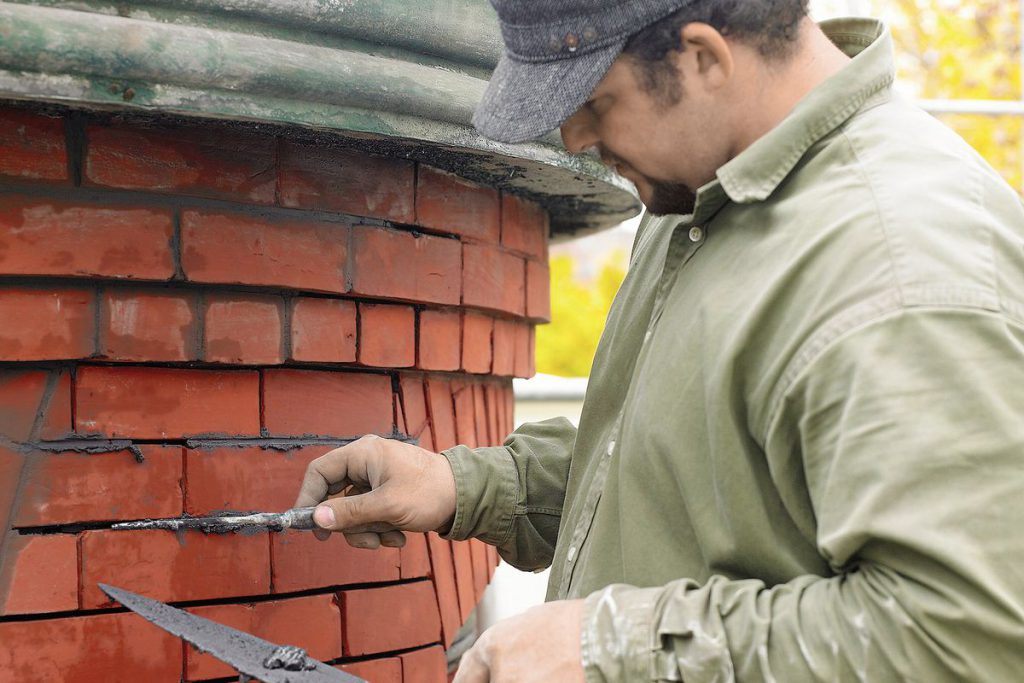
Professional Tuckpointing Services in Wilmette
Tuckpointing can renew aging joints without unnecessarily replacing brick or stone that remains in good condition. Proper work involves more than covering visible cracks. Loose or weakened mortar should be addressed so restored joints can perform effectively and blend with the surrounding masonry.
Our services are adapted to the existing wall, including its material type, joint profile, weather exposure, and previous repairs.
Professional brick tuckpointing can help:
- restore cracked or recessed joints;
- reduce openings where moisture can enter;
- improve the appearance of aging brickwork;
- protect surrounding masonry;
- extend the service life of existing walls.
Because every structure ages differently, we assess the affected areas before determining the appropriate scope of work.
Brick Repointing and Mortar Repair
When deterioration affects multiple joints or larger sections of a wall, repointing may be appropriate. The process involves removing damaged mortar to a suitable depth and replacing it with a compatible mix while retaining sound bricks whenever practical.
Material compatibility is particularly important for older buildings. Mortar that is significantly harder than the existing brick can create unnecessary stress and may contribute to future damage. Our brick repointing work takes the characteristics of the existing construction into account.
Not every wall requires extensive restoration. When damage is limited to specific areas, brick mortar repair may provide a more targeted solution. Cracked joints, gaps, washed-out sections, and failed previous patches can often be addressed without disturbing sound portions of the wall.
Joint Restoration for Brick and Stone
Joint deterioration can affect natural stone as well as brick. Restoration methods should be appropriate for the material because stonework can differ significantly in joint size, shape, hardness, and construction.
Stone tuckpointing may help renew weathered areas while preserving serviceable original material. Before work begins, we examine the affected section and surrounding construction to determine an appropriate restoration method.

Foundation and Basement Wall Repointing
Brick, stone, and fieldstone foundations can develop weakened or missing joints after years of moisture exposure and seasonal weather changes. Foundation repointing can renew these areas and help maintain the existing structure.
Restoring a stone foundation requires careful preparation because natural stone construction often contains irregular joint sizes. Older fieldstone foundations may require techniques tailored to the existing materials rather than methods typically used on modern walls.
Basement walls can develop similar problems. Loose material, gaps, or recessed joints may indicate that mortar joint restoration should be considered. When moisture is present, other possible sources of water intrusion should also be evaluated.
Residential and Commercial Mortar Joint Restoration
Mortar deterioration can affect single-family homes, multi-unit buildings, storefronts, and other commercial properties. TOP Masonry & Tuckpointing works on both residential and commercial structures based on the size and condition of the affected areas.
Residential projects may involve exterior walls, foundations, stonework, or architectural details. Commercial tuckpointing often involves larger surfaces where consistent joint restoration and careful planning are especially important.
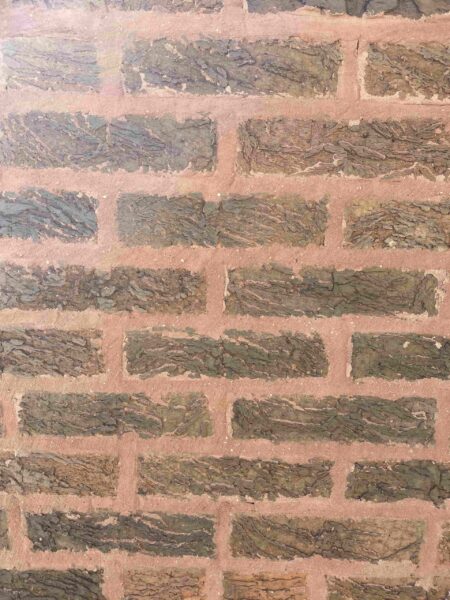
Signs Your Brickwork May Need Repointing
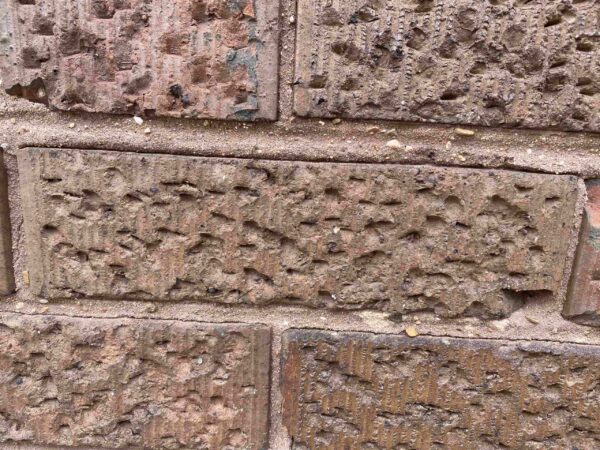
Mortar deterioration often becomes visible before more extensive masonry damage develops. Common warning signs include:
- cracked, loose, or missing mortar;
- deeply recessed joints;
- gaps between bricks or stones;
- material that crumbles when touched;
- uneven or weathered joint lines;
- previous patches that have begun to fail.
If these conditions are visible on your Wilmette property, professional masonry joint repair may help address the problem before larger sections are affected. An inspection can determine whether localized tuckpointing repair or broader restoration is appropriate.
Tuckpointing vs. Repointing
Although tuckpointing and repointing are often used interchangeably, there is a technical distinction. Repointing generally means removing deteriorated mortar and replacing it to restore damaged joints. Traditional tuckpointing can use contrasting material or fine lines to create a more precise joint appearance.
In everyday masonry terminology, however, these terms are commonly used more broadly for mortar joint restoration. The appropriate method should ultimately be based on the condition of the existing structure.
Why Choose TOP Masonry & Tuckpointing?
Successful masonry mortar repair depends on preparation, material compatibility, proper joint depth, workmanship, and the condition of the surrounding structure. Applying new material over loose or failing mortar may provide only a temporary improvement.
Our specialists inspect the affected sections and develop a practical scope of work based on the existing construction. Rather than recommending unnecessary work, we focus on the areas that require attention and consider the condition of surrounding materials.
If you are looking for experienced tuckpointing contractors serving Wilmette, our team can evaluate your property and explain whether targeted repair or more extensive restoration is appropriate.
Schedule Tuckpointing & Repointing in Wilmette, IL
Damaged joints can become increasingly vulnerable to moisture and freeze-thaw cycles. Addressing weakened areas at the appropriate time can help protect surrounding masonry and reduce the risk of further wear.
Contact TOP Masonry & Tuckpointing for professional joint restoration in Wilmette, IL. Our team can inspect the affected areas and recommend an appropriate solution for your residential or commercial property.
FAQ About Tuckpointing and Repointing in Wilmette
How do I know if my brick needs tuckpointing?
Cracked, loose, recessed, missing, or powdery mortar can indicate that joint restoration should be considered. Gaps between bricks and joints that easily crumble are also signs that the area should be evaluated.
Is tuckpointing the same as brick mortar repair?
The terms can overlap, but brick mortar repair may describe localized work, while joint restoration can involve numerous areas across a larger section. The appropriate scope depends on the extent of the damage.
When should brickwork be repointed?
Repointing brickwork may be appropriate when deterioration affects numerous joints or larger sections of a wall. Localized damage may require only targeted repair.
Can you repoint an older stone foundation?
Yes. Restoring stone foundations can renew deteriorated joints while preserving serviceable material. Fieldstone construction may require particular attention to joint dimensions, existing materials, and the condition of individual stones.
Can mortar joint repair help with moisture problems?
Restoring damaged joints can reduce openings where moisture may enter. However, water intrusion can have multiple causes, so flashing, drainage, cracks, and other potential sources should also be considered.
How do I choose a tuckpointing contractor in Wilmette?
Look for a contractor who evaluates the existing masonry, considers mortar compatibility, properly prepares damaged joints, and clearly explains the proposed work. TOP Masonry & Tuckpointing provides professional evaluations for properties throughout Wilmette, IL.