
Tuckpointing & Repointing in Kenilworth, IL
Mortar joints help hold masonry together while protecting the edges of brick and stone from weather exposure. As mortar ages, it can crack, erode, loosen, or recede from the face of the wall. TOP Masonry & Tuckpointing provides tuckpointing and repointing in Kenilworth, IL, for residential and commercial masonry where joints have begun to deteriorate.
Our approach is based on the condition of the existing wall. Some properties need brick mortar repair in isolated areas, while others have widespread joint deterioration that requires a broader scope of work.
Why Mortar Deteriorates
Mortar is exposed to moisture and seasonal temperature changes throughout the year. Over time, repeated weathering can gradually weaken joints even when the surrounding brick or stone remains serviceable.
Signs of deterioration can include:
- cracked or crumbling mortar;
- gaps between masonry units;
- joints recessed behind the brick face;
- loose material along wall surfaces;
- sections with missing mortar;
- older repairs that no longer remain intact.
The extent of these conditions helps determine whether selective masonry joint repair or more extensive restoration is appropriate.
Tuckpointing Aging Brickwork
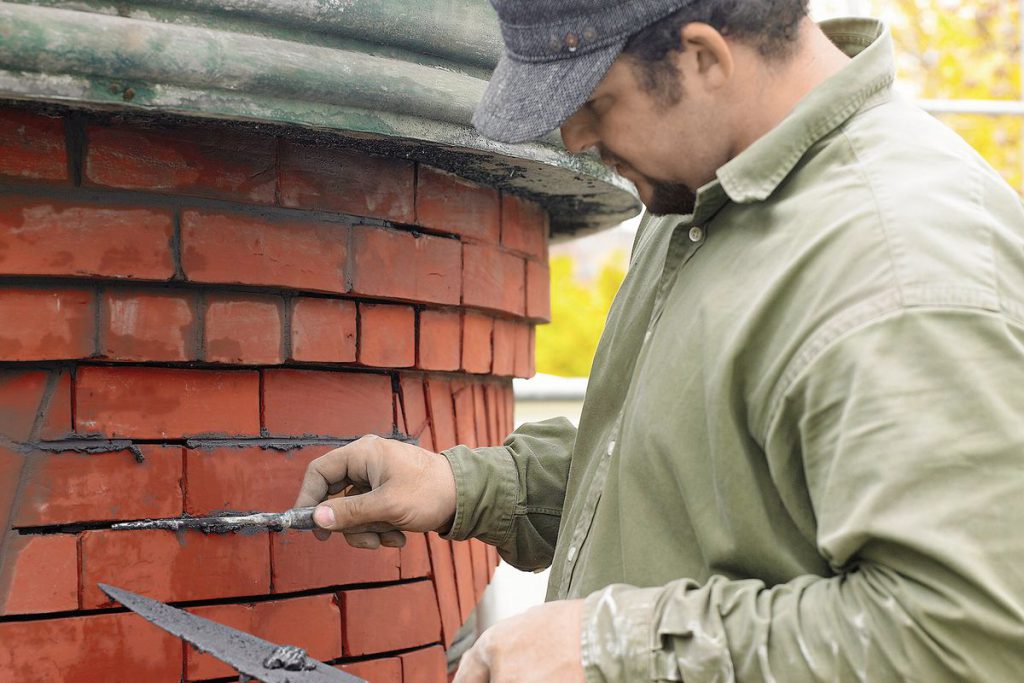
Brick tuckpointing allows deteriorated joints to be renewed without unnecessarily removing masonry units that remain in good condition. Failed material is removed from affected joints so replacement mortar can be installed into a properly prepared area.
This preparation matters because applying new mortar only over weak material can leave deterioration underneath the repair. Proper joint preparation provides a more suitable base for the replacement material.
The finished joints should also complement the surrounding brickwork in profile and appearance so repaired areas integrate naturally with the wall.
Repointing Larger Wall Sections
When mortar deterioration is widespread, brick repointing may be more appropriate than a series of isolated repairs. Repointing addresses failed joints throughout an affected section while preserving usable brick or stone.
The amount of work depends on existing conditions. One elevation may require broader attention while another side of the same property has only limited deterioration.
This selective approach helps focus the project on areas where joint failure is actually present rather than automatically treating every masonry surface.
Why Mortar Compatibility Matters
Replacement mortar is not selected only by color. Its characteristics should also be appropriate for the existing masonry, particularly when working with older brick or stone.
Mortar that differs significantly from the material already in the wall can behave differently as masonry responds to moisture and temperature changes. Evaluating the existing construction helps guide the selection of suitable replacement material.
This is especially relevant when previous repairs have introduced visibly different or unusually hard mortar into an older wall.

Brick and Stone Joint Restoration
Brickwork generally has regular courses and relatively consistent joints, while natural stone can contain irregular units with different joint widths. These differences affect how deteriorated areas are prepared and finished.
Stone repointing may be appropriate for walls, foundation areas, and other stone masonry where mortar has become loose or recessed. Older stone foundations can require particular attention to the existing materials and joint configuration.
The objective is to restore failed joints while disturbing as little sound masonry as practical.
Residential and Commercial Tuckpointing
Residential properties may develop mortar deterioration around exterior walls, foundations, entrances, and architectural masonry features. Depending on exposure, deterioration may be concentrated in one area rather than spread evenly across the building.
Commercial tuckpointing can involve larger wall surfaces where consistent preparation and joint finishing are important. In both cases, the scope should reflect the actual condition of the masonry.
Preserving Masonry Through Timely Joint Repair
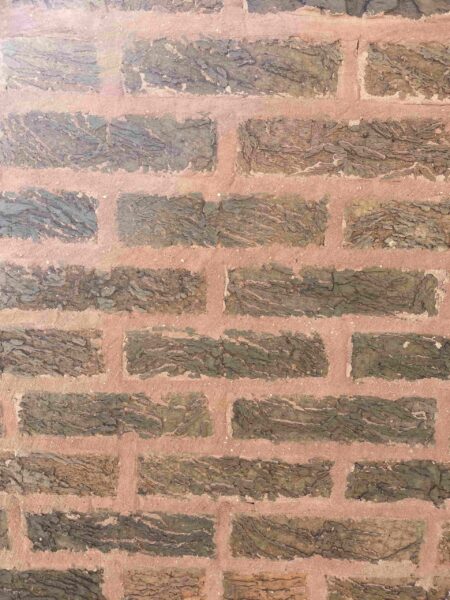
Deteriorated joints can leave the edges of brick and stone more exposed to moisture. Kenilworth’s seasonal freezing and thawing can add stress to masonry where mortar has already weakened.
Addressing failed joints before deterioration becomes more extensive can help preserve existing masonry and maintain a more consistent wall surface. It can also reduce the need to disturb brick or stone that remains serviceable.
Tuckpointing Contractors in Kenilworth, IL
TOP Masonry & Tuckpointing provides professional mortar joint restoration throughout Kenilworth and surrounding North Shore communities. We evaluate existing joints, identify areas of deterioration, and recommend work based on the condition of the masonry.
If you are looking for experienced masonry professionals near you in Kenilworth, contact our team to schedule an evaluation. We can determine whether localized brick mortar repair, tuckpointing, or broader repointing is appropriate and provide an estimate for your property.
Frequently Asked Questions
Can only the deteriorated sections of mortar be repaired?
Yes. When deterioration is localized and surrounding joints remain sound, selected sections can often be restored without working on the entire wall.
When is repointing appropriate?
Repointing may be appropriate when mortar has become cracked, loose, missing, or deeply recessed across a larger masonry area rather than in only a few isolated joints.
Can stone foundations be repointed?
Yes. Many stone foundations can have deteriorated joints restored. Existing stone, mortar characteristics, and joint configuration should be evaluated before work begins.
Why is mortar compatibility important?
Replacement mortar should work appropriately with the existing masonry. This is particularly important for older brick and stone, where the characteristics of the original materials may differ from newer construction.
Is tuckpointing the same as replacing damaged brick?
No. Tuckpointing primarily addresses deteriorated mortar joints. Brick replacement is used when the masonry units themselves are cracked, spalled, loose, or otherwise damaged.
Do you provide commercial tuckpointing in Kenilworth?
Yes. TOP Masonry & Tuckpointing provides mortar joint work for residential, multifamily, and commercial properties in Kenilworth and surrounding communities.
Bethany Cole
Kenilworth, IL
August 8, 2026
We originally called about a few obvious gaps in the mortar, but during the inspection they found another weather-exposed area that was beginning to deteriorate. They showed it to us rather than simply adding it to the estimate, which I appreciated. We decided to have both areas done. The finished joints look uniform and the masonry feels properly maintained again.
Henry Wallace
Kenilworth, IL
September 2, 2026
Had them repoint several sections around the house this summer. Straightforward estimate, reliable scheduling, and very good workmanship. The guys were also careful around the windows and stone trim. I’d use them again without hesitation.
Margaret Winslow
Kenilworth, IL
September 22, 2026
Our house has older brick, so getting the mortar right mattered just as much as fixing the deteriorated joints. The team spent time looking at the existing color and texture before starting. I’m glad they did because the new work blends beautifully. Nothing looks overly new or out of character with the home.