
Tuckpointing & Repointing in Deerfield, IL
Planning mortar work raises questions that a price per square foot cannot answer. Should every elevation be included? Will a repaired section stand out? Can the project be divided into stages without leaving vulnerable joints untreated?
TOP Masonry & Tuckpointing provides tuckpointing in Deerfield, IL, with a scope built around the condition of your property. We help owners identify where joint renewal is warranted, discuss the intended finish, and understand which work belongs in the current project.
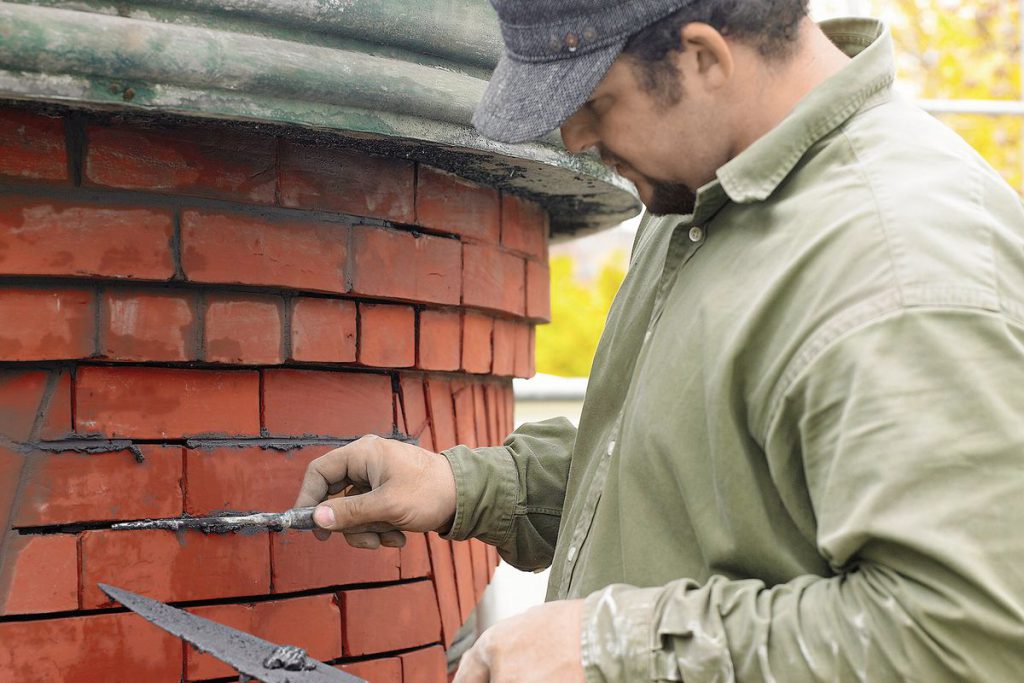
Decide What Needs Attention First
Two walls on the same building can have different repair needs. One may have deeply eroded joints, while another retains firm mortar beneath a weathered surface. A uniform appearance is not a sufficient reason to remove serviceable material.
For a larger project, an assessment can help separate:
- Areas with open or loose joints requiring attention
- Sections where the condition needs further investigation
- Sound joints that can remain in place
- Damaged bricks or stones needing separate repairs
- Locations where water exposure may undermine new work
Brick mortar repair can then be directed toward documented deterioration, with related concerns identified before they become assumptions about what is included.
Keeping the Mortar Consistent Across a Facade
Joints form part of the visual pattern of brickwork. Their width, profile, and texture can make the same bricks appear more pronounced or more subdued. Color is important, but it is only one part of a convincing match.
Before brick repointing begins, discuss how the new joints should relate to the retained work. A trial area may help establish expectations on a prominent facade. Fresh mortar also changes appearance during curing, so an immediate comparison with an older, dry wall can be misleading.
Material compatibility comes first. The replacement mortar needs properties appropriate to the existing brick or stone, including suitable strength and moisture behavior. Older, softer masonry may require a different mix from newer construction. Choosing a harder mortar simply for perceived durability can put adjacent materials at risk.
Define the Finish Behind the Service Name
Tuckpointing and repointing are often used interchangeably when property owners request joint repairs. Technically, repointing renews deteriorated mortar, while traditional decorative tuckpointing creates fine contrasting lines in the finished joints.
The proposal should describe the treatment you are receiving, including whether the aim is to retain the existing appearance or introduce a decorative change.

What If the Work Is Completed in Stages?
Phasing may be practical when different elevations have different levels of deterioration. It should follow the assessment and access requirements, rather than divide the building into arbitrary equal sections.
Discuss where each phase will stop and how material selections will be recorded. Later mortar batches and weathering may produce visible differences, so an exact match between phases should not be promised.
Loose masonry, displacement, or active water entry may call for separate action before a routine joint-renewal schedule is agreed.
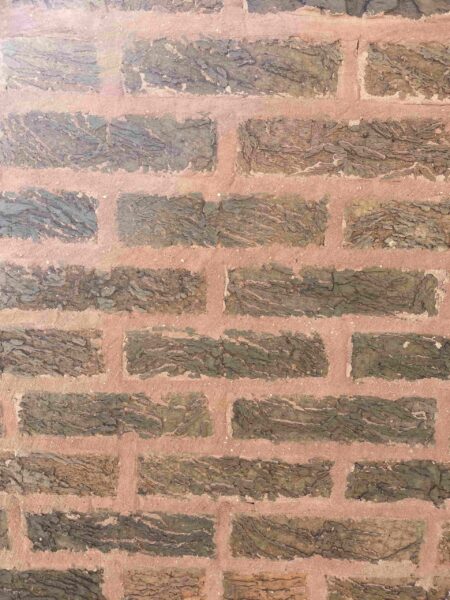
Include Stone and Foundation Joints Deliberately
Exterior brickwork and foundation masonry should not automatically receive identical treatment. Stone joints can vary considerably in depth and shape, and earlier patches may obscure the original mortar.
Repointing stone foundation walls requires assessment of the existing construction and the materials that can safely be retained. Foundation repointing addresses joint deterioration; it does not by itself resolve settlement or basement water entry.
If interior basement walls are part of the request, identify them separately in the scope. Moisture concerns may require additional investigation, and access or preparation can differ from the exterior work.
Planning Tuckpointing Services Around Property Use
For residential projects in Deerfield, discuss access gates, planting beds, outdoor furniture, and entrances used throughout the day. Knowing where equipment and materials will be placed helps owners prepare without unnecessarily clearing the entire property.
Commercial tuckpointing may require coordination with tenants or building management before work areas are established. Delivery routes, occupied spaces, and shared entrances should be discussed during planning.
When reviewing tuckpointing contractors, ask how they document the included sections, mortar selection, joint finish, and preparation methods. The work should provide for removal of failed material, careful placement of new mortar, and curing protection appropriate to the conditions.
Looking for Brick Tuckpointing Near You?
Contact TOP Masonry & Tuckpointing for a free estimate in Deerfield, IL. Tell us whether you are considering one wall, several elevations, or work spread across future phases. Photos and details of previous repairs can help explain your priorities before an on-site assessment.
Call (773) 766-5391 to discuss your property.
Frequently Asked Questions
Should I request an estimate for the whole building?
Explain the full extent of your concerns, even if you expect to begin with one area. This allows the assessment to consider priorities and potential connections between sections. The final scope can still be limited to agreed work.
Can you preserve a recessed or shaped joint finish?
The existing profile can be considered when specifying the repair. Its suitability depends on the masonry and exposure conditions. Discuss the desired appearance before preparation starts, particularly where earlier patches have changed the original pattern.
Should I schedule window replacement before repointing?
Tell both contractors about the planned work. Window removal may disturb nearby joints, while defects around an opening may involve details outside the mortar repair. Coordinating the sequence can help avoid damage to newly finished areas.
Is masonry joint repair a substitute for replacing damaged bricks?
No. Renewed joints do not restore missing or unsound brick material. If units need replacement, that work should be identified so the project addresses both the mortar and the affected masonry.
What information should I keep after the project?
Retain the agreed scope, material details, and photographs of completed areas. These records can support future maintenance and later phases, although they cannot guarantee an identical color match years afterward.
Judith Rosen
Deerfield, IL
June 9, 2026
The joints on the exposed side of our chimney had weathered more than the rest. Top Masonry inspected the masonry and repointed the areas that needed attention. They explained the difference between repairing the mortar and replacing damaged bricks.
Colin Mercer
Deerfield, IL
August 19, 2026
We had the mortar joints along our courtyard walls renewed this summer. With seating and landscaping nearby, we appreciated the time spent setting up protection. The joint finish is neat, and the courtyard was ready to enjoy again after cleanup
Natalie Sokolov
Deerfield, IL
October 8, 2026
Our home inspection flagged missing mortar beneath several window ledges. Top Masonry walked through the report with us and addressed those locations. It was helpful to have the work clearly tied to the inspection findings instead of receiving a vague proposal.