
Tuckpointing & Repointing in Park Ridge, IL
What should properly renewed mortar joints look like—and what should happen before the finished surface appears? A neat line is only part of the result. The preparation beneath it, the material used, and the conditions during curing all influence how the work performs.
TOP Masonry & Tuckpointing offers tuckpointing in Park Ridge, IL, for residential and commercial properties. We discuss the existing joint condition and the proposed repair method so you can understand the work beyond its final appearance.
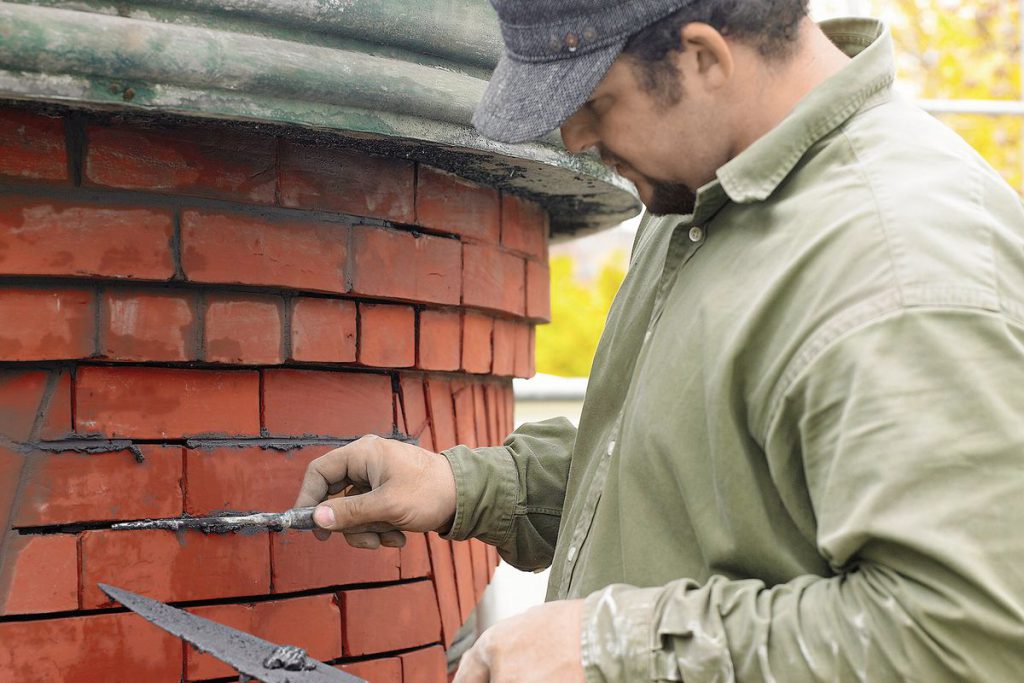
More Than a Fresh Line of Mortar
A newly coated joint can look complete while loose material remains behind it. If the underlying mortar has deteriorated, covering the face does not provide the same result as removing failed material and properly filling the prepared joint.
Brick mortar repair begins with identifying what is unsound and what can remain. Removal depth and methods should suit the existing joints, with care taken to avoid unnecessary damage to brick edges. Wide or irregular joints need attention to their actual shape rather than an identical treatment across every surface.
During an estimate, ask how the preparation will be carried out and whether nearby damaged units require separate repairs. These details help explain differences between proposals that otherwise appear to cover the same wall.
Understanding the Finished Joint
Profile and Edges
The joint profile affects the shadows and pattern of a facade. Renewed joints should follow the agreed finish, while their edges should meet the masonry cleanly. Mortar spread across brick faces can alter the appearance and make later cleaning more difficult.
Existing construction may limit what can be reproduced. Narrow joints, uneven units, or earlier alterations should be considered when discussing the intended result.
Color and Texture
A mortar match involves aggregate texture as well as color. New work may initially stand out beside weathered material, and moisture changes its appearance during curing. A trial section can be useful where the visual transition is especially important.
Brick repointing should also use mortar compatible with the surrounding materials. A close color match is not enough if the mix is unsuitable for the brick or stone. Strength and moisture behavior matter, particularly in older construction.
What the Service Name Means
Repointing is the renewal of deteriorated mortar joints. Tuckpointing is often used for the same service in everyday requests, although traditional decorative tuckpointing refers to fine contrasting lines applied within the joint finish.
We clarify the requested treatment so the proposal describes both the repair and the appearance you expect.

Curing Is Part of the Work
Fresh mortar needs conditions that allow it to cure appropriately. Strong sun and drying wind can affect moisture loss, while rain or freezing temperatures may require protection or a change in schedule. The required measures depend on the materials and exposure.
Ask what restrictions apply around recently completed areas. Washing, coating, or other work nearby may need to wait. The project schedule should account for these requirements rather than assume the wall is ready for every use as soon as placement finishes.
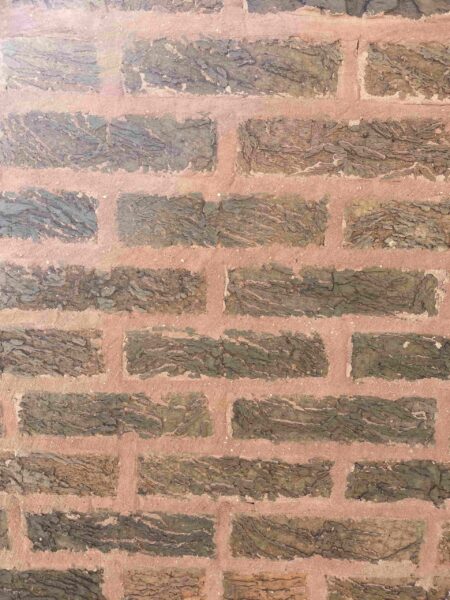
Different Masonry Needs Different Assessment
Masonry joint repair on a brick facade can differ from work on irregular stonework. Joint depth, previous patches, and the condition of the units influence preparation and material selection.
Repointing stone foundation walls requires attention to the construction behind the visible surface. Foundation repointing may address failing joints, but movement and water entry can require additional investigation. An interior basement treatment should not be described as complete waterproofing.
If cracks continue through bricks or stones, or parts of the wall are displaced, those conditions need assessment before routine joint renewal proceeds. They may fall outside the proposed tuckpointing services.
A Clear Handover for Property Owners
For a Park Ridge homeowner, a useful handover includes knowing which areas were completed and what care the fresh work needs.
Commercial tuckpointing may involve a building manager or several occupants. Agreeing who receives care instructions and reports any concerns helps keep communication clear after the work area is reopened.
When choosing tuckpointing contractors, ask how the finished work will be reviewed. The scope should identify included elevations or sections, any separate repairs, and the process for discussing additional findings.
Looking for Brick Tuckpointing Near You?
Contact TOP Masonry & Tuckpointing for a free estimate in Park Ridge, IL. Describe the joints that concern you and whether your priority is deteriorated mortar, the appearance of earlier work, or both. Photos can support the initial conversation before an on-site assessment.
Call (773) 766-5391 to discuss your project.
Frequently Asked Questions
Does a smooth-looking joint prove the repair was done properly?
No. The visible finish does not show the preparation underneath it. Ask about removal of failed mortar, compatibility of the replacement mix, and how the joints will be filled and protected during curing.
Should I expect every joint to have exactly the same width?
Existing brick sizes and the original layout influence joint width. Repointing follows the masonry already present; it should not involve unnecessary cutting into sound units simply to create uniform lines.
Can cleaning be included after mortar work?
Discuss the cleaning method and timing in advance. The approach must suit the masonry and allow for the mortar’s curing requirements. Aggressive cleaning can damage surfaces or joints.
What should I report after the work is completed?
Report new openings, loose material, or recurring dampness in the repaired area. Photos and the date you noticed a change help explain the concern. Appearance should be reviewed with curing and weather conditions in mind.
Is brick grout repair the correct term for this work?
On a typical brick exterior, exposed joints contain mortar. Grout is used differently within masonry construction. Describing the location and condition is enough to begin the conversation if you are unsure of the terminology.
Henry Zielinski
Park Ridge, IL
May 7, 2026
We wanted someone who would be careful with the original brick on our older house. Top Masonry discussed the mortar selection and completed a small sample area before repointing the front elevation. That extra step helped us feel comfortable with the appearance.
Lauren Beckett
Park Ridge, IL
July 31, 2026
Our covered entry had deteriorated joints that were especially noticeable around the brick arch. The crew followed the curved pattern neatly and kept the mortar finish consistent. It is a small part of the house, but the improvement is easy to see.
Adrian Popescu
Park Ridge, IL
September 24, 2026
We scheduled repointing on the rear wall before having new landscaping installed. Top Masonry coordinated the timing with us and finished the masonry work first. The joints look even, and we avoided having equipment moved through freshly planted beds.