
Tuckpointing & Repointing in Lincolnwood, IL
A building can have several kinds of joints, and they do not all need the same treatment. Mortar between bricks, a flexible connection beside a window, and an irregular stone joint serve different purposes. Identifying what has failed is the first step toward specifying useful work.
TOP Masonry & Tuckpointing provides tuckpointing in Lincolnwood, IL, for residential and commercial properties. We assess deteriorated mortar and help distinguish joint renewal from other repairs. The scope explains where new mortar belongs and which concerns require a different approach.
Is the Problem Actually in the Mortar?
An opening between masonry units may indicate a worn joint, but a gap at a frame or a crack through a brick needs separate consideration. Replacing mortar throughout the area will not necessarily address either condition.
When requesting an assessment, describe where the defect sits:
- Within the joints between bricks or stones
- Along the edge of a window or door frame
- At a junction between different wall materials
- Through the face of an individual masonry unit
- At a deliberately formed movement joint
Avoid filling an unfamiliar gap yourself, since some connections need to remain flexible rather than be packed with rigid mortar.
Give Each Joint the Treatment It Needs
Weathered Mortar Between Bricks
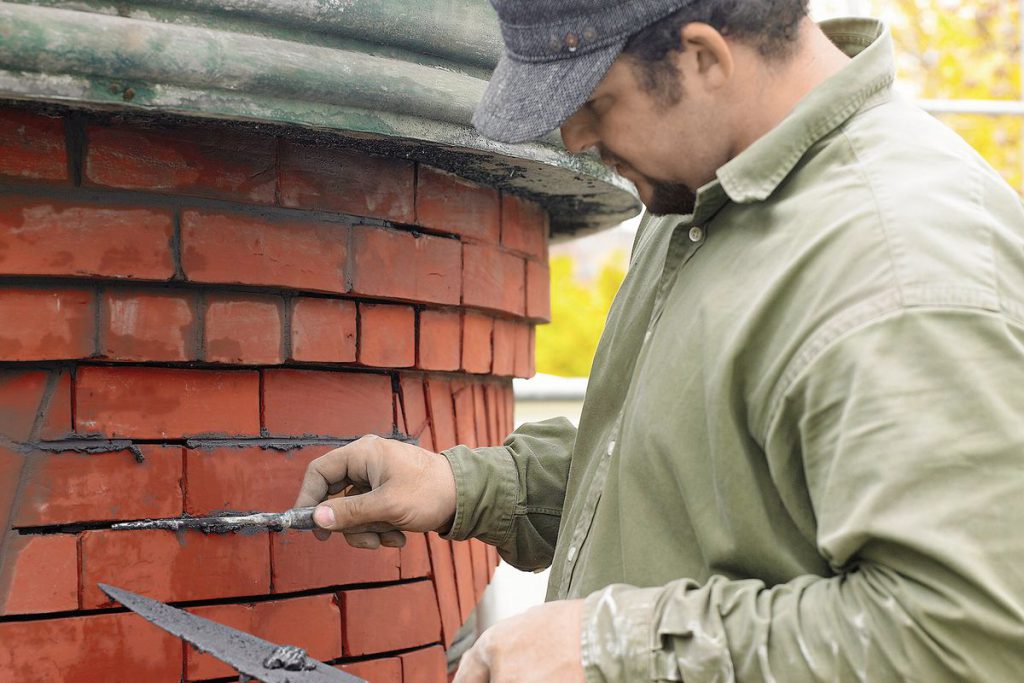
Brick mortar repair is appropriate when the joint material has deteriorated but the adjacent units remain suitable for retention. The work may be localized or extend across a section with consistent joint failure.
Preparation should remove unsound material while preserving the brick edges. Once cleaned and appropriately prepared, joints can receive compatible replacement mortar. Applying a thin layer over a loose base leaves the failed material in place and does not provide the same repair.
Flexible Connections and Movement Joints
Some joints accommodate movement between parts of a building. These may use sealant and other specified components rather than mortar. Filling them rigidly can interfere with their function.
If the concern lies at one of these connections, it should be identified separately from the tuckpointing services. The assessment can help clarify whether sealant work, another trade, or further investigation is needed.
Cracked or Loose Masonry Units
Masonry joint repair cannot restore missing brick faces or make every fractured stone sound again. Damaged units may need replacement, resetting, or another suitable treatment before the surrounding mortar is finished.
Where a wall is displaced or a crack suggests continuing movement, routine joint renewal may need to wait. Establishing the cause takes priority over concealing the opening with a new finish.

Brick Repointing Without Changing the Wall’s Character
The original brickwork sets the pattern for the repair. Joint width, tooling, and mortar texture influence how the completed area relates to adjoining sections. Existing irregularities should be considered before promising perfectly uniform lines.
The replacement mix also needs to suit the masonry. Older soft brick and some stonework can be harmed by mortar that is excessively hard or restricts moisture movement. Choosing a mix involves material compatibility as well as appearance.
In everyday requests, tuckpointing often means replacing worn mortar. Strictly speaking, repointing is joint renewal, while traditional decorative tuckpointing creates fine contrasting lines. Tell us if you want a particular decorative detail so it can be discussed explicitly in the proposal.
Stonework and Foundation Joints
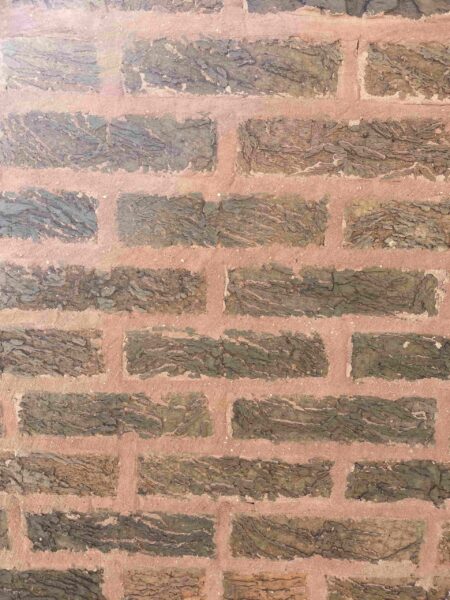
Stone walls may combine deep joints, variable unit sizes, and patches from different periods. Those conditions need assessment before a removal method or mortar is selected. Sound existing material should be retained where practical.
Repointing stone foundation walls can renew deteriorated joints, but it is not a treatment for every foundation concern. Foundation repointing does not by itself correct settlement or prevent groundwater from entering a basement.
If basement walls are included, explain any dampness and when it occurs. Investigation of water entry may be a separate task.
Organizing Residential and Commercial Tuckpointing
For a Lincolnwood homeowner, the assessment can separate mortar work from concerns around frames, damaged units, or other exterior details. This helps you understand which service you are authorizing and what may remain outside it.
Commercial tuckpointing may involve several wall systems or repairs assigned to different contractors. Clearly marked work areas and written exclusions help property managers coordinate those responsibilities.
Ask tuckpointing contractors to explain the joint types included, preparation method, and intended finish. Also discuss weather protection and curing requirements, since fresh mortar needs conditions suited to the mix and exposure.
Find Brick Tuckpointing Near You in Lincolnwood
Contact TOP Masonry & Tuckpointing for a free estimate. Describe the gaps, loose mortar, or earlier patches you want reviewed. Include wider photographs where possible so the location within the wall is clear.
Call (773) 766-5391 to discuss tuckpointing in Lincolnwood, IL.
Frequently Asked Questions
Can I use caulk instead of mortar between bricks?
Ordinary mortar joints and flexible joints have different functions. Caulk is not a general substitute for deteriorated mortar between masonry units. The location and construction should be assessed before choosing a repair material.
Should a gap beside a window be included in repointing?
It depends on the connection. The perimeter joint may need an appropriate flexible sealing system, while adjacent failed mortar requires a different repair. Ask for these areas to be distinguished in the scope.
Does every open joint mean the wall is unstable?
No. Joint erosion can occur without instability, but loose units, displacement, or changing cracks deserve closer evaluation. The condition of the whole affected section matters more than an isolated gap.
Can work on different joint types be estimated together?
You can request an assessment of all the areas that concern you. The proposal should identify which treatments are included and which require separate arrangements rather than describe every gap as the same repair.
Is brick grout repair the right service to request?
For most exposed brick joints, the material being repaired is mortar. Grout has other roles within masonry. You can simply describe the problem and provide photos if you are unsure which term applies.
Peter Haddad
Lincolnwood, IL
May 15, 2026
An old repair on our front wall had bright mortar that never matched the house. Top Masonry prepared a sample and discussed the color before proceeding. The repointed section now sits much more comfortably alongside the surrounding masonry.
Grace Mendel
Lincolnwood, IL
July 9, 2026
Some of the joints on our detached garage had worn back noticeably. The crew removed the deteriorated mortar and repointed the affected wall. I liked that they showed us the prepared joints before filling them, so we understood the process.
Omar Castillo
Lincolnwood, IL
September 29, 2026
We arranged repointing along the narrow wall between our house and the neighboring property. Access was the main challenge. Top Masonry planned the setup carefully, kept the passage orderly, and left both sides of the work area clean.