
Tuckpointing & Repointing in Morton Grove, IL
An exterior wall often carries traces of earlier changes: filled mounting holes, mortar left around an old fixture, or patches made after a pipe was removed. Some are harmless reminders of previous work. Others leave joints poorly filled or conceal material that has started to loosen.
TOP Masonry & Tuckpointing provides tuckpointing in Morton Grove, IL, for homes and commercial properties. We assess worn mortar and altered areas of brickwork, then recommend a defined treatment. The aim is to renew failed joints without unnecessarily disturbing sound construction.
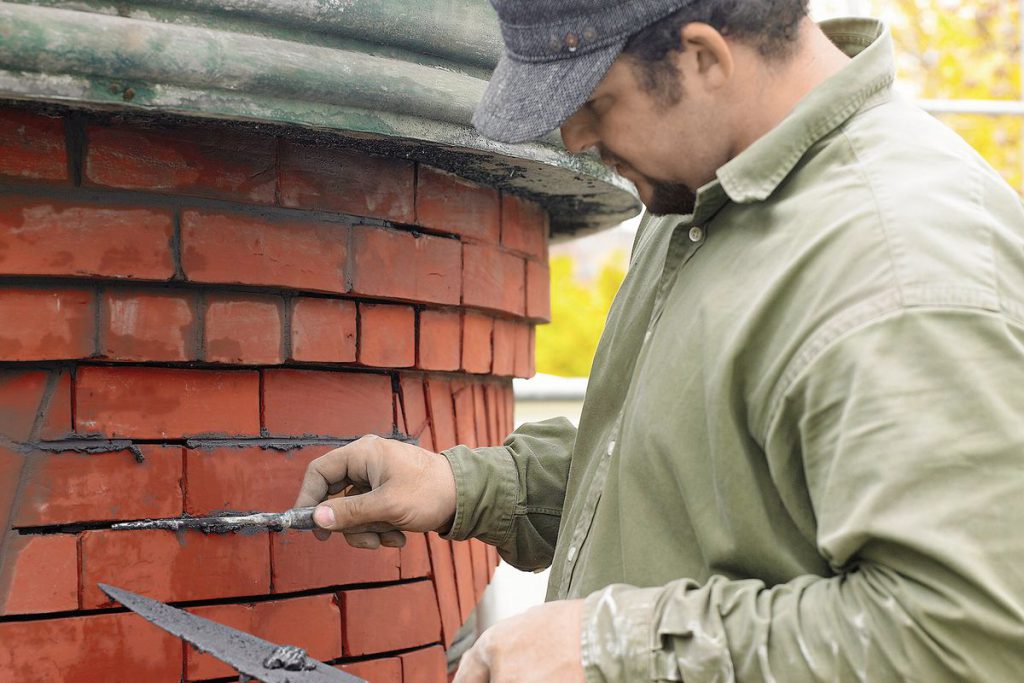
Review the Wall’s Repair History
Older patches can make it difficult to understand what is happening beneath the surface. A smooth repair may be shallow, while an uneven but firmly bonded joint may still be serviceable. Appearance alone does not establish which material needs removal.
Mention any changes you know about when arranging an assessment:
- Removed awnings, signs, brackets, or exterior fixtures
- Abandoned openings for cables or pipes
- Mortar patches around former attachments
- Areas repaired during earlier exterior alterations
- Places where a patch has separated from adjoining joints
This history helps explain the wall’s condition. If you do not know when the work was completed, wider photographs can still show how the affected area relates to the surrounding masonry.
Differentiate Joint Renewal from Filling Old Holes
Brick mortar repair addresses deteriorated material between masonry units. A hole drilled through a brick, an abandoned wall penetration, and an open mortar joint are different defects. They should not automatically receive the same surface filling.
Where damage is confined to a joint, careful removal and replacement of failed mortar may be appropriate. If a brick has been broken or cut, replacing the unit may provide a more suitable result. Larger openings can involve construction details beyond the visible face.
Before sealing around any existing service connection, its purpose and continued use should be established. Openings intended for drainage or ventilation must not be mistaken for missing mortar.
Avoid Building Another Patch over a Weak Base
A successful repair depends on the material beneath the finish. Loose mortar needs to be removed to a suitable depth, with preparation adapted to the joint and the vulnerability of nearby brick edges.
Masonry joint repair should create a sound location for the replacement mortar. Covering a failed patch with another thin layer leaves the underlying weakness in place. Where earlier material is difficult to remove, the method needs particular care to avoid damaging adjacent units.
We discuss the proposed limits of removal and any visible concerns that could affect the work. Concealed conditions may require review once preparation exposes more of the joint.

Blend Repairs into the Existing Brickwork
Small, scattered repairs can attract attention when their color, texture, or finish differs sharply from the wall. Brick repointing should consider the surrounding joint pattern as well as the damaged location.
The replacement mortar needs appropriate properties for the existing masonry. A visually similar mix may still be unsuitable if it is too hard or handles moisture differently from the original construction. Matching the profile and aggregate texture also influences how the repair reads across the elevation.
New mortar changes appearance as it cures. Where the finish is important, discuss a sample area and realistic matching limits before larger sections are completed. Weathered brickwork and repairs from different periods may prevent a completely uniform result.
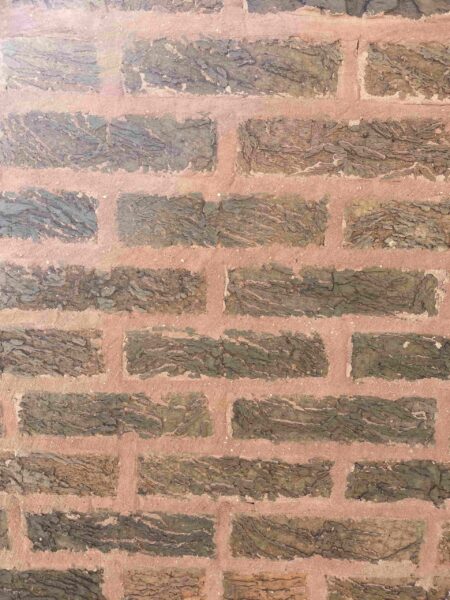
Specify the Tuckpointing Treatment Clearly
Property owners commonly use tuckpointing to describe renewing mortar joints. Repointing is the precise term for removing deteriorated mortar and installing compatible replacement material. Traditional decorative tuckpointing creates fine contrasting lines within the finished joints.
The written proposal should establish which treatment is intended. A request to repair old patches does not necessarily include a decorative change or renewal of every joint on the wall.
Preparation, mortar selection, finishing, and protection during curing should all form part of the discussion. Exposure and weather conditions influence how the work is scheduled and protected.
Include Other Masonry Only Where It Needs Work
Stone features and foundation walls may have their own history of alterations. Irregular joints, mixed patch materials, or former service openings require assessment before a repair method is chosen.
Repointing stone foundation walls should account for the original construction and the condition of the retained mortar. Foundation repointing can address joint deterioration, but it does not replace investigation of movement or basement water entry.
Commercial tuckpointing may involve walls altered for signage, equipment, or tenant changes. Identifying those areas separately helps owners distinguish mortar work from repairs to units or service penetrations.
Find Tuckpointing Services Near You in Morton Grove
Contact TOP Masonry & Tuckpointing for a free estimate. Tell us which patches or joints concern you and whether fixtures or services were previously removed. We can assess the affected areas and explain the recommended scope.
When comparing tuckpointing contractors, look for a proposal that identifies the actual defects rather than grouping every opening under one repair description.
Call (773) 766-5391 to discuss your Morton Grove property.
Frequently Asked Questions
Can mounting holes be filled without replacing a brick?
Sometimes, depending on their size, location, and the condition of the unit. A localized repair and brick replacement can produce different visual results. The assessment should establish which approach is suitable.
Should every old patch be removed?
No. An earlier repair that remains sound and compatible may not need removal. Unnecessary cutting can damage surrounding masonry. The decision should follow its condition and effect on the wall.
Can you repair joints after an exterior sign is taken down?
The exposed area can be assessed once the sign and redundant attachments are removed safely. Mortar defects, drilled units, and concealed damage should be distinguished so the proposal covers the appropriate treatments.
Will repointing remove old mortar stains from brick faces?
Joint renewal does not automatically include stain removal. Cleaning requires a separate assessment of the masonry, the deposit, and a suitable method. Aggressive treatment can damage the surface.
What if I cannot tell whether an opening is intentional?
Leave it undisturbed until its function is understood. Some openings serve drainage, ventilation, or building services. Photographs and an on-site assessment can help clarify what you are seeing.
Diane Kessler
Morton Grove, IL
June 24, 2026
Mortar was coming out of the joints around our front porch columns. Top Masonry repointed the deteriorated areas while keeping the original joint profile. The columns look refreshed without looking noticeably different from the rest of the porch.
Russell Boone
Morton Grove, IL
August 5, 2026
We had several estimates for repointing our ranch home. Top Masonry’s proposal was easy to follow and identified the sections included. The crew stayed within that scope and checked the finished work with us before packing up.
Maya Antonova
Morton Grove, IL
October 16, 2026
The mortar on our backyard garden wall had developed gaps, although most of the bricks were still in good shape. Top Masonry repointed the joints and reset a few loose pieces along the top. The work was tidy even around the nearby perennial plants.